

Tooth pain that comes and goes is easy to dismiss. The pain fades, the day moves on, and many people assume the problem has passed. That is the real danger.
The real danger is that intermittent tooth pain usually means an underlying issue is actively progressing, such as decay, infection, or structural damage – even if symptoms temporarily disappear.
Intermittent tooth pain often means the underlying issue is still there and progressing. A tooth can stop hurting temporarily even while decay gets deeper, inflammation spreads, or an infection builds pressure below the surface.
Waiting for the pain to become constant usually means waiting until the problem is worse.
Why Tooth Pain Can Be On and Off
Not all dental pain is constant. In early stages, symptoms may appear only when something triggers them. That trigger might be hot drinks, cold foods, chewing, sugary foods, or pressure on the tooth.
As the irritation becomes more serious, the pain may last longer, come back more often, or shift from sensitivity to throbbing. The fact that it disappears for a while does not mean the tooth is healing.
What are the Most Common Causes

Several underlying issues can cause tooth pain to appear and disappear, often signaling problems that gradually worsen over time.
| Cause | What Happens |
|---|---|
| Tooth Decay | Early decay causes mild sensitivity, but as it progresses deeper into the tooth, it irritates the nerve. This can lead to pain that comes and goes before becoming more severe. |
| Cracked Tooth | Small cracks can cause pain when biting or releasing pressure. Over time, cracks may worsen and allow bacteria to reach the inner tooth. |
| Tooth Infection | Infections may cause intermittent pressure or throbbing. Because symptoms are not constant, they are often ignored while the infection continues to spread. |
| Worn Enamel or Exposed Dentin | Loss of enamel exposes sensitive inner layers, leading to sharp, short-lived pain triggered by hot, cold, or sweet foods. |
| Gum Recession or Gum Disease | Receding gums expose the tooth root, causing recurring sensitivity. The issue may stem from gum health rather than the tooth itself. |
The Real Danger: Delaying Treatment
The biggest mistake people make with intermittent tooth pain is assuming that occasional pain is minor pain. It is not always minor. It is often early pain.
Dental problems usually do not resolve on their own.
- From sensitivity to inflammation
- From inflammation to infection
- From a simple filling to a root canal or extractio
That progression is what makes on-and-off tooth pain more dangerous than people think. When the warning sign is inconsistent, action gets delayed.
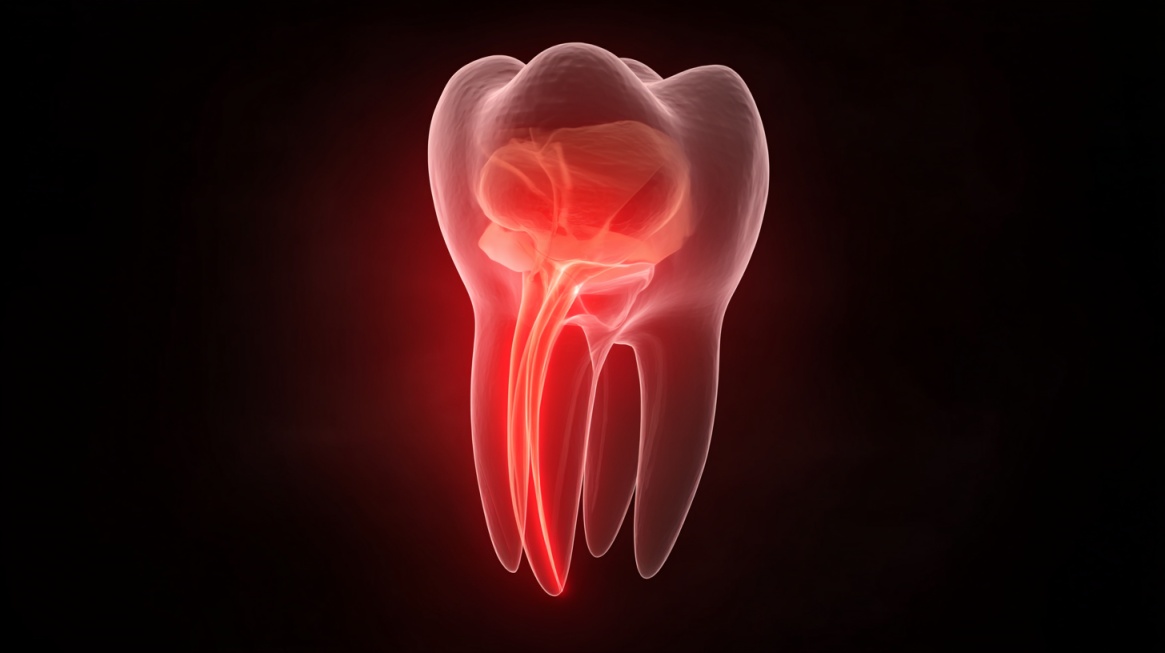
Signs You Should Not Ignore
If tooth pain keeps returning, it is time to take it seriously.
- Pain when chewing
- Sensitivity to hot or cold
- Throbbing that comes and goes
- A bad taste in the mouth
- Swelling in the gums or face
- Pain that wakes you up at night
These symptoms can point to a problem that is getting worse even if the pain is not constant.
When It May Be an Emergency

Sometimes intermittent tooth pain turns into a dental emergency very quickly. If you develop swelling, severe pressure, fever, or sudden worsening pain, urgent treatment may be necessary.
For people in Norway who need fast help, Akutt Tannlege may be a useful option for urgent dental cases.
What To Do Next
If the pain has happened more than once, do not wait for it to become unbearable. The earlier a dentist finds the cause, the easier the treatment usually is.
- Avoid very hot, cold, or sugary foods if they trigger pain
- Chew on the opposite side if biting causes discomfort
- Keep brushing gently and floss carefully
- Do not place aspirin directly on the gums or tooth

Frequently Asked Questions
Bottom Line
Tooth pain that comes and goes is not something to brush off. In many cases, it is an early warning sign that a cavity, crack, infection, or gum problem is getting worse.
The pain may be temporary. The damage usually is not.
Getting it checked early can prevent a more serious, more painful, and more expensive problem later. Ensure your teeth’s health on time and avoid any prolonged consequences.