

Nutrition supplies the fuel and building materials required for body function, repair, and growth.
Daily food choices shape energy levels, physical performance, and long-term health outcomes.
A balanced diet includes six essential nutrients that work together to support every system in the body.
Carbohydrates, proteins, fats, vitamins, minerals, and water each play a specific role that cannot be replaced by another.
Macronutrients provide energy, while micronutrients support regulation and metabolic processes that keep the body operating smoothly.
Let us talk about all of these in greater detail.
Portion Guide and Practical Meal Planning

Balanced meals can be built using a simple plate method that supports nutrient balance and portion control.
Visual structure simplifies meal composition and promotes consistency.
Plate composition follows a clear ratio:
- Half of the plate is filled with vegetables and fruits
- One quarter filled with whole grains
- One quarter filled with lean protein
Healthy fats and a glass of water or milk complete the meal and support nutrient absorption.
Portion awareness helps regulate calorie intake without strict tracking. Visual cues simplify portion estimation during meals.
-
- Palm sized portion represents protein
- A cupped hand represents carbohydrates
- Thumb sized portion represents fats
- Two cupped hands represent vegetables
Smaller plates and slower eating habits can improve satisfaction and reduce overeating.
Meals benefit from including at least three food groups to support balanced nutrition.
Pairing carbohydrates with protein or fat helps stabilize blood sugar levels and prolong fullness.
Consistent meal structure supports steady energy balance across the day.
If you want to share your own nutrition guides or tools digitally, like a printable meal plan, healthy recipe list, or quick reference, you can create a custom QR code using an online QR code creator to make your resources easy to scan and access on mobile devices.
Macronutrients are the Energy Builders
Macronutrients are nutrients needed in large amounts to supply calories and support structure and function within the body.
Energy availability shapes physical movement, organ activity, and cellular repair daily.
Carbohydrates and proteins provide four calories per gram, while fats provide nine calories per gram.
Calorie values matter because they determine how efficiently the body meets energy demands across rest and activity.
Adequate intake supports muscle preservation, hormone synthesis, and overall vitality during daily living and exercise.
Energy contribution differs by nutrient type and affects how the body uses fuel during rest and exertion.
- Carbohydrates supply rapid and accessible energy.
- Proteins support the structure while also contributing energy when needed.
- Fats provide concentrated energy for long-lasting fuel needs.
Carbohydrates 🍞

Carbohydrates serve as the primary energy source for the brain and muscles.
Glucose produced during carbohydrate digestion supports concentration, reaction time, and endurance during physical tasks.
Brain tissue relies heavily on glucose, making consistent carbohydrate intake important for mental performance.
Common food sources include fruits, grains, legumes, vegetables, and dairy products.
Carbohydrate quality influences how energy is released and sustained:
- Simple carbohydrates, such as sugars, provide quick energy that rises rapidly.
- Complex carbohydrates such as starches and fiber release energy more gradually and support digestive function.
Recommended intake places carbohydrates at about fifty to 60% of total daily calories to maintain steady energy levels across the day.
Proteins 🥚
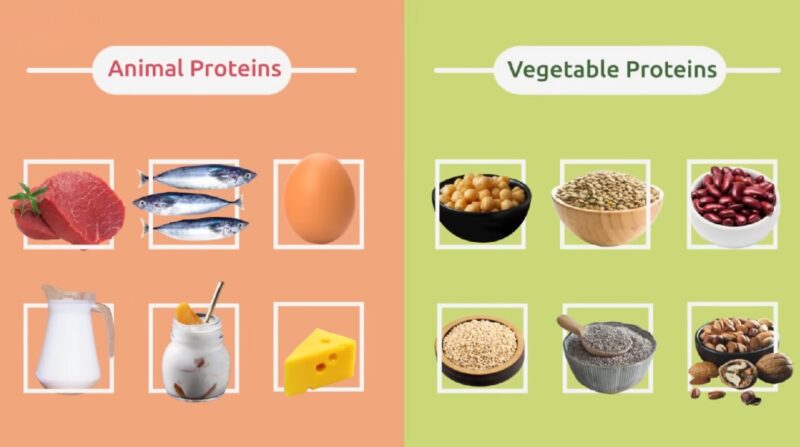
Proteins support growth, tissue repair, and the production of enzymes, hormones, and immune system components.
Muscle fibers, skin cells, and internal organs rely on continuous protein turnover to remain functional.
Amino acids form the building blocks of protein, with nine classified as essential and required through diet because the body cannot synthesize them.
Protein needs vary depending on body size and activity level:
- Average adults benefit from about 0.8 grams of protein per kilogram of body weight per day.
- Athletes and highly active individuals require higher amounts to support muscle recovery and adaptation.
Quality protein sources include eggs, meat, dairy products, legumes, and soy foods, which provide essential amino acids in sufficient amounts.
Fats 🥑

Fats support the absorption of fat-soluble vitamins, hormone production, and the structural integrity of cell membranes.
Nervous system health and long-term energy storage depend on adequate fat intake. Fat type influences health outcomes, making selection important.
Dietary fat categories affect cardiovascular and metabolic health:
- Saturated fats found in butter and red meat should be limited due to health risks linked to excess intake.
- Unsaturated fats found in nuts, seeds, and olive oil support heart health.
- Essential fatty acids, such as omega three and omega six fats, must be consumed through food.
Daily fat intake should provide about twenty to 35% of total calories to support hormone balance and nutrient absorption.
Micronutrients Are the Protection and Regulation Team
Micronutrients are required in small amounts yet remain critical for normal body function.
Vitamins support chemical reactions that allow cells to produce energy and maintain tissues.
Fat-soluble vitamins A, D, E, and K can be stored in body tissues, while water-soluble vitamins such as the B complex and vitamin C require regular intake due to limited storage.
Minerals also play essential roles in maintaining internal balance:
- Macro minerals like calcium, potassium, and magnesium support bone strength, muscle contraction, and fluid balance.
- Trace minerals like iron, zinc, and iodine support oxygen transport, immune defense, and hormone production.
Immune health, nerve signaling, and energy metabolism rely on sufficient micronutrient intake. Fruits, vegetables, whole grains, nuts, and dairy products supply a wide range of vitamins and minerals required for daily function.
Hydration and Water and Electrolyte Balance

Water makes up about 60% to 70% of body weight and supports nearly every physiological process.
Temperature regulation, nutrient transport, waste removal, and digestion depend on adequate fluid intake.
Reduced hydration can impair circulation and slow metabolic processes, affecting both physical and mental performance.
Hydration and Physical Performance
Even mild dehydration, equal to about 2% of body weight, can reduce endurance, strength, and cognitive ability.
Fluid loss increases rapidly during exercise due to sweating, especially in warm conditions.
Athletes and active individuals may lose between 0.5 and 1.5 liters of fluid per hour during sustained activity.
Common signs of inadequate hydration include the following:
- Fatigue and reduced stamina
- Dizziness or lightheadedness
- Dry mouth and decreased urine output
Daily Hydration Guidelines
Daily fluid needs vary by sex and activity level.
Men generally require about 3.7 liters per day, while women require about 2.7 liters per day, including water obtained through foods.
Urine color offers a practical hydration indicator, with pale yellow suggesting adequate intake.
Water remains the preferred beverage choice, while sugary and highly caffeinated drinks should be limited to avoid excessive calorie and stimulant intake.
Electrolytes
Electrolytes such as sodium, potassium, magnesium, and chloride support muscle contraction, nerve signaling, and fluid balance.
Sweat loss during prolonged or intense activity reduces electrolyte levels, increasing the risk of cramps and fatigue.
Sports drinks may support hydration during extended exercise sessions that involve heavy sweating and significant fluid loss.
Summary
Balanced nutrition relies on the right mix of macronutrients, micronutrients, water, and appropriate portions.
Consistent attention to food quality and quantity supports energy levels, disease prevention, physical performance, and healthy body weight.
Long-term health benefits grow through regular, mindful eating habits practiced over time.